An evidence-based comparison of natural and synthetic cognitive enhancement approaches.
Last Updated: March 21, 2026 · Medically Reviewed Content
Nootropics — commonly called "smart drugs" or "cognitive enhancers" — are substances that aim to improve cognitive function, particularly memory, creativity, focus, and motivation. The term was coined in 1972 by Romanian psychologist Corneliu Giurgea, who defined nootropics as compounds that enhance learning and memory, protect the brain from physical or chemical injury, and have very few side effects with virtually no toxicity. By this original definition, most synthetic stimulants marketed as "nootropics" today wouldn’t actually qualify.
The nootropic landscape broadly divides into two categories: natural nootropics (compounds derived from plants, fungi, minerals, and naturally occurring molecules) and synthetic nootropics (laboratory-created compounds designed to modulate neurotransmitter systems). Understanding the differences between these approaches is essential for making informed decisions about cognitive enhancement — especially for long-term brain health rather than short-term performance.
Synthetic nootropics primarily work by modulating neurotransmitter systems in the brain. Racetams (piracetam, aniracetam, oxiracetam) are believed to enhance acetylcholine signaling, which is involved in memory and learning. Modafinil promotes wakefulness by affecting dopamine and orexin systems. Noopept reportedly enhances nerve growth factor expression. Phenylpiracetam provides stimulant-like effects alongside cognitive enhancement. Adderall and Ritalin, while technically prescription stimulants rather than nootropics, are frequently used off-label for cognitive enhancement.
The primary concern with synthetic nootropics is their mechanism: by directly manipulating neurotransmitter levels, they can create dependency, tolerance (requiring increasing doses), and withdrawal symptoms. They may also mask underlying cognitive issues rather than addressing their root causes. Additionally, many synthetic nootropics have limited long-term safety data, and some operate in regulatory gray areas that make quality control and dosing consistency unreliable.
Natural nootropics take a fundamentally different approach. Rather than directly manipulating neurotransmitter levels, most natural cognitive enhancers work by supporting the biological infrastructure that enables healthy brain function. Curcumin reduces neuroinflammation and supports BDNF production. Reishi mushroom protects brain mitochondria and supports nerve growth factor. Panax ginseng enhances cerebral blood flow and provides adaptogenic stress support. Bee propolis and glutathione protect the Blood-Brain Barrier.
This infrastructure-first approach means natural nootropics tend to produce more gradual, sustained improvements rather than acute cognitive spikes. They also tend to be safer for long-term use, with lower risk of dependency, tolerance, or withdrawal. The benefits often accumulate over time as the underlying biological systems — mitochondrial function, BBB integrity, neuroinflammatory balance — progressively improve.
Safety is perhaps the most significant differentiator. Natural nootropic ingredients like those in Pure Neuro (curcumin, reishi mushroom, ginseng, bee propolis, glutathione, melatonin, selenium, zinc, vitamin C) have extensive safety records spanning decades of use and thousands of clinical studies. They do not cause dependency, do not build tolerance, and do not produce withdrawal symptoms. Side effects are rare and typically mild.
Synthetic nootropics present a more complex safety picture. Racetams are generally well-tolerated but have limited long-term safety data. Modafinil can cause headaches, nausea, and anxiety, and carries risk of serious skin reactions in rare cases. Amphetamine-based stimulants (Adderall) carry significant risks including cardiovascular stress, insomnia, appetite suppression, anxiety, and high addiction potential. Even "mild" synthetic nootropics can interact unpredictably with medications, alcohol, and other supplements.
For long-term brain health — protecting cognitive function across decades rather than boosting performance for a single afternoon — the natural approach has stronger scientific support. The National Institute on Aging emphasizes that cognitive health depends on the integrity of underlying biological systems: healthy mitochondria, intact Blood-Brain Barrier, balanced neuroinflammation, adequate cerebral blood flow, and robust antioxidant defense. Natural nootropics directly support these systems.
Synthetic nootropics, by contrast, optimize performance within the existing biological state without necessarily improving or protecting the underlying infrastructure. Using a car analogy: synthetic nootropics are like pressing harder on the gas pedal (more neurotransmitter activity), while natural nootropics are like maintaining the engine (healthier mitochondria, protected BBB, reduced inflammation). Both can make the car go faster in the short term, but only one approach keeps the car running well for years to come.
Some biohackers combine natural and synthetic nootropics in "stacks," though this practice requires caution. Natural nootropics like curcumin and reishi mushroom are generally safe to combine with most other supplements and medications. However, combining synthetic nootropics with each other or with stimulants can produce unpredictable interactions. Anyone considering combining approaches should consult a healthcare provider.
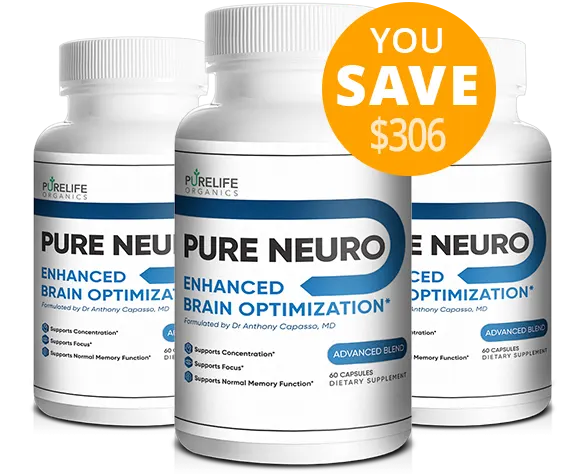
For most people seeking cognitive support, a well-formulated natural nootropic like Pure Neuro provides comprehensive brain support without the complexity and risks of multi-compound synthetic stacks. Dr. Capasso’s formula addresses the four pillars of cognitive health — mitochondrial energy, BBB protection, neuroinflammation reduction, and antioxidant defense — in a single, convenient daily supplement with a favorable safety profile for long-term use.
The trajectory of cognitive enhancement research points increasingly toward the natural, infrastructure-focused approach. As neuroscience deepens its understanding of brain aging, the consensus is shifting from "boost neurotransmitters" to "protect and nourish the brain’s biological systems." Research funded by the NINDS and NIA increasingly focuses on mitochondrial health, BBB integrity, and neuroinflammation — precisely the areas targeted by natural neuroprotective compounds.
Products like Pure Neuro represent the practical application of this emerging scientific consensus: physician-formulated, multi-pathway natural supplements that support the brain’s energy infrastructure, protective barriers, and anti-inflammatory defenses. With a 60-day money-back guarantee and no stimulant dependency risks, they offer a safe, evidence-aligned entry point for anyone seeking to protect and enhance their cognitive function naturally.
The natural nootropic category includes a diverse range of compounds with documented cognitive benefits. Adaptogens like Panax Ginseng and Rhodiola Rosea enhance stress resilience and mental stamina. Mushrooms like Reishi and Lion’s Mane support neuroprotection and nerve growth factor production. Anti-inflammatory compounds like curcumin reduce neuroinflammation. Antioxidants like glutathione and vitamin C protect brain cells from oxidative damage. Amino acids like L-theanine (found in green tea) promote calm focus without sedation. Minerals like selenium and zinc serve as essential cofactors for brain enzyme systems.
The most effective natural nootropic supplements combine multiple ingredients that target different aspects of brain health — what researchers call a "multi-pathway approach." Pure Neuro’s 9-ingredient formula exemplifies this approach, combining adaptogens (ginseng), neuroprotectants (reishi, bee propolis), anti-inflammatories (curcumin), antioxidants (glutathione, melatonin, vitamin C), and essential mineral cofactors (selenium, zinc) into a single formulation that addresses brain health from multiple angles simultaneously.
An emerging area of neuroscience research is the gut-brain axis — the bidirectional communication system between the gastrointestinal tract and the central nervous system. The gut microbiome produces neurotransmitters, short-chain fatty acids, and inflammatory mediators that influence brain function through the vagus nerve and systemic circulation. Some natural nootropic ingredients, including curcumin and reishi mushroom, have documented effects on gut microbiome composition, suggesting that their cognitive benefits may be partially mediated through gut-brain signaling.
This gut-brain connection has implications for nootropic supplement design. Natural ingredients that support both brain health and gut microbiome health may provide synergistic cognitive benefits through dual pathways. Synthetic nootropics, by contrast, typically target brain neurotransmitter systems directly without positively affecting gut health — and some may even disrupt gut microbiome balance. This is another dimension in which natural approaches may offer advantages for long-term, holistic cognitive health support.
The choice between natural and synthetic nootropics ultimately depends on your goals, timeline, and risk tolerance. For acute, short-term cognitive enhancement (cramming for an exam, pulling an all-nighter), synthetic stimulants may provide more immediate results — though with significant safety trade-offs. For sustained, long-term brain health protection and gradual cognitive improvement, natural nootropics offer a safer, more sustainable path with benefits that compound over months and years.
Dr. Capasso formulated Pure Neuro specifically for the long-term brain health market: individuals who want to protect their cognitive function, maintain sharp memory, and prevent decline as they age. The 60-day money-back guarantee provides a risk-free evaluation period that aligns with the 2–4 week timeline for initial noticeable benefits. For those who commit to consistent daily use for 3–6 months, the cumulative improvements in mitochondrial health, BBB integrity, and neuroinflammatory balance typically deliver the most significant and lasting cognitive benefits.
From a cost-effectiveness perspective, natural nootropics often compare favorably to synthetic alternatives. Prescription cognitive enhancers (modafinil, donepezil) can cost $200–$600 per month with insurance, and significantly more without. Synthetic nootropic stacks from specialty vendors typically range from $60–$150 per month. Natural brain health supplements like Pure Neuro, at $37–$57 per bottle, fall within a competitive price range while offering a physician-formulated, multi-pathway approach with a 60-day money-back guarantee that synthetic alternatives rarely match.
More importantly, the long-term cost calculation favors the natural approach. Synthetic nootropics often require increasing doses due to tolerance (raising costs over time), may necessitate cycling protocols (creating periods without cognitive support), and carry potential medical costs from side effects. Natural nootropics like Pure Neuro do not build tolerance, do not require cycling, and have minimal side effect risk — making the long-term total cost of ownership lower while providing more consistent, sustainable cognitive support.
When evaluating any cognitive enhancement product, natural or synthetic, consider these key questions: Is the formula backed by published clinical research for its individual ingredients (look for PubMed references with PMIDs)? Is it manufactured in an FDA-registered, GMP-certified facility? Does the company offer a meaningful money-back guarantee (60+ days)? Is the mechanism of action clearly explained and scientifically plausible? Are there potential interactions with your current medications? Has it been formulated by a qualified healthcare professional? Does the product avoid stimulants and habit-forming substances if long-term use is intended?
Pure Neuro answers each of these questions affirmatively: it contains 9 ingredients with published research support, is manufactured in a GMP-certified facility, offers a 60-day empty-bottle guarantee, targets the well-documented mitochondrial dysfunction pathway, contains no stimulants or habit-forming substances, and was formulated by Dr. Anthony Capasso, MD — a physician with 23 years of clinical experience in internal medicine.
The future of cognitive health lies in understanding that the brain is not a machine to be overclocked with stimulants, but a biological system to be nourished, protected, and supported. The natural nootropic approach aligns with this philosophy — working with the brain’s own biology rather than attempting to override it. Whether you choose Pure Neuro or another evidence-based natural approach, the key principle remains: sustainable cognitive health comes from protecting the biological infrastructure — mitochondria, Blood-Brain Barrier, inflammatory balance, and antioxidant defenses — on which all brain function depends.
Pure Neuro’s 60-day empty-bottle money-back guarantee eliminates the financial risk of trying a natural nootropic approach, making it one of the most accessible entry points for anyone interested in physician-formulated, multi-pathway brain health supplementation. With over 19,263 satisfied customers and a formula designed by Dr. Anthony Capasso from 23 years of clinical experience, Pure Neuro represents the practical application of the best available natural nootropic science.
In summary, while synthetic nootropics offer faster acute effects, natural brain health supplements like Pure Neuro provide safer, more sustainable cognitive support that builds over time. The choice is ultimately between short-term cognitive spikes with significant trade-offs versus long-term brain health protection with cumulative benefits and minimal risk. For most people seeking lasting cognitive wellness rather than temporary performance enhancement, the natural path — grounded in mitochondrial science and formulated by a physician — is the more evidence-aligned choice.